Do Electrolytes Aid Weight Loss? A Critical Review
The notion that electrolytes can significantly contribute to weight loss has gained traction, but the scientific evidence supporting this claim remains inconclusive. While vital for numerous bodily functions, electrolytes alone are not a magic bullet for shedding pounds. This review examines the current research, exploring the potential indirect links between electrolyte balance, hydration, and weight management, while emphasizing the importance of a holistic approach to healthy weight loss.
Understanding Electrolytes: Essential Minerals for Bodily Functions
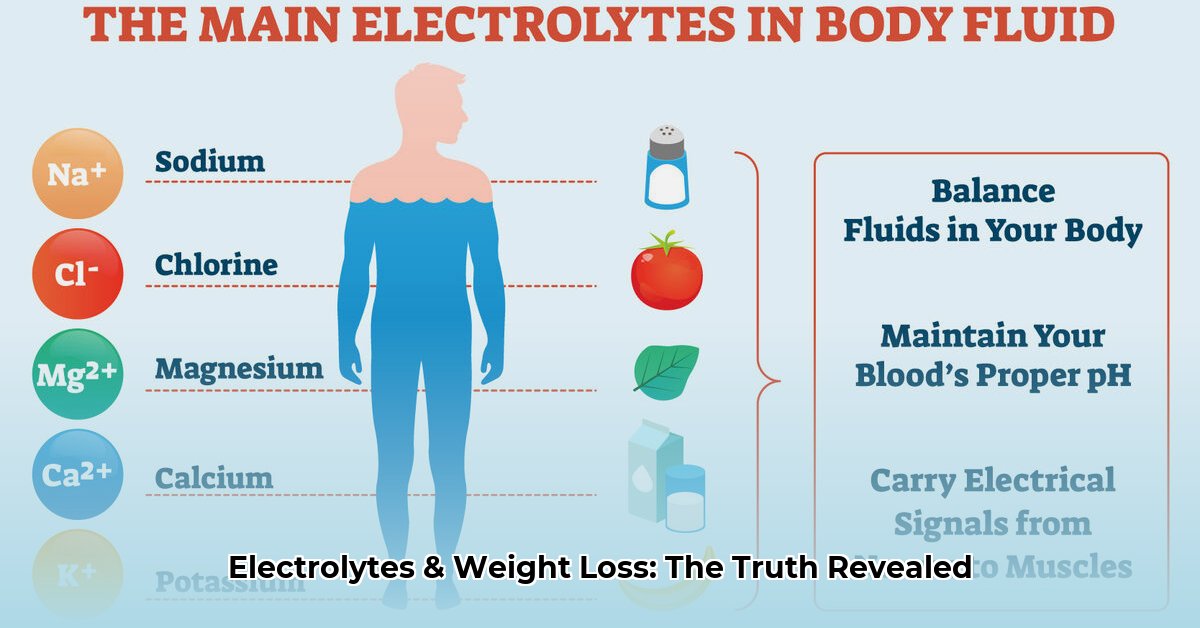
Electrolytes are minerals—such as sodium, potassium, magnesium, and calcium—carrying an electric charge. They are crucial for various bodily processes: regulating fluid balance, facilitating muscle contractions, transmitting nerve impulses, and maintaining blood pressure. Maintaining adequate hydration and a balanced electrolyte profile is essential for overall health. However, this does not automatically translate to weight loss. A proper balance is key, but it's a piece of a much larger puzzle.
The Hype Around Electrolyte Supplements and Weight Loss
Many products market electrolyte supplements as a weight-loss aid, claiming they boost metabolism, curb appetite, or enhance intermittent fasting. However, robust scientific evidence supporting these claims is currently lacking. Small studies suggest potential correlations, but considerably more extensive research is needed to establish definitive conclusions. What we do know is that many of these supplements are loaded with added sugar, negating any potential benefit.
The Current Scientific Landscape: Indirect Links and Unanswered Questions
Existing research indicates some indirect relationships between electrolytes and weight management. Adequate hydration—dependent on proper electrolyte balance—is crucial for overall well-being and can indirectly aid weight-loss efforts. Dehydration can cause fatigue and muscle cramps, hindering exercise and potentially slowing weight-loss progress. Electrolytes like potassium and magnesium participate in metabolic processes, but their direct impact on weight loss requires further investigation.
Dr. Anya Sharma, Registered Dietitian at the Cleveland Clinic, states, "While maintaining proper electrolyte balance is undeniably vital for overall health, and this health contributes to successful weight management, it's crucial to avoid oversimplifying the process. Electrolytes are not a primary driver of weight loss."
Electrolyte Balance: A Component, Not the Solution
Think of your metabolism as a complex machine. Electrolytes are essential components, but adding more electrolytes without addressing other potential issues is like trying to fix a broken engine by simply adding more fuel. A balanced electrolyte intake is fundamental to health, and that good health influences weight management, but it's not the sole determining factor.
Prioritizing Whole Foods: Natural Sources of Electrolytes
Instead of relying on supplements, prioritize obtaining electrolytes from whole foods. This offers a healthier and more natural approach. Excellent sources include:
- Fruits & Vegetables: Bananas, sweet potatoes, spinach, leafy greens (Potassium, Magnesium)
- Dairy: Milk, yogurt (Calcium, Potassium)
- Nuts & Seeds: Almonds, cashews, chia seeds (Magnesium, Potassium, Calcium)
- Legumes: Beans, lentils (Potassium, Magnesium)
Electrolyte Supplements: Cautious Considerations
Electrolyte supplements can be beneficial in specific circumstances, like intense exercise or illness causing significant dehydration, but they are not a primary method for weight loss. Always prioritize whole foods. If you do choose to use supplements:
- Select carefully: Opt for supplements with minimal added sugars and reputable certifications (like USP or NSF).
- Start gradually: Begin with low doses, gradually increasing as needed, and monitor your body's response.
- Listen to your body: Be alert for any unusual symptoms such as nausea, muscle cramps, or changes in bowel movements. Reduce or discontinue use if these occur.
- Consult your doctor: Individuals with kidney problems, heart conditions, or those taking certain medications should consult their physician before consuming electrolyte supplements.
- Maintain a balanced diet: A holistic approach that prioritizes a balanced diet rich in fruits, vegetables, whole grains, and lean protein is essential.
The Verdict: Electrolytes and Weight Management
The link between electrolytes and weight loss isn't straightforward. While electrolyte balance is crucial for health and indirectly supports weight-management goals through proper hydration and energy levels, it's not a primary weight-loss mechanism. Sustainable weight management requires a holistic approach centered around a balanced diet, regular exercise, and mindful hydration. Consult a healthcare professional for personalized guidance. Continued research is crucial to further clarify the complex interactions between electrolytes, metabolism, and weight.